
The Game that changed the south : 100 years on
by GEORGE SOMERVILLE
It’s unthinkable to imagine a Playoff game these days without a team from the Southeastern Conference participating in it.
Such has been the SEC’s dominance over the last 50 years that there are generations of SEC fans who don’t know what life is like without competing for a National Championship.
But when the Rose Bowl hosts its annual football game on January 1st, it will be the 100th anniversary of the moment that Alabama made its and the SEC’s first appearance in the Country’s flagship game.
Before that, football in the South was looked down upon by the press and the then “blue blood’ schools of the North.
However, when Alabama made it to the Rose Bowl in 1926, the game changed, so much so that the event is still called “The Game That Changed The South”.
The Grandaddy of them all
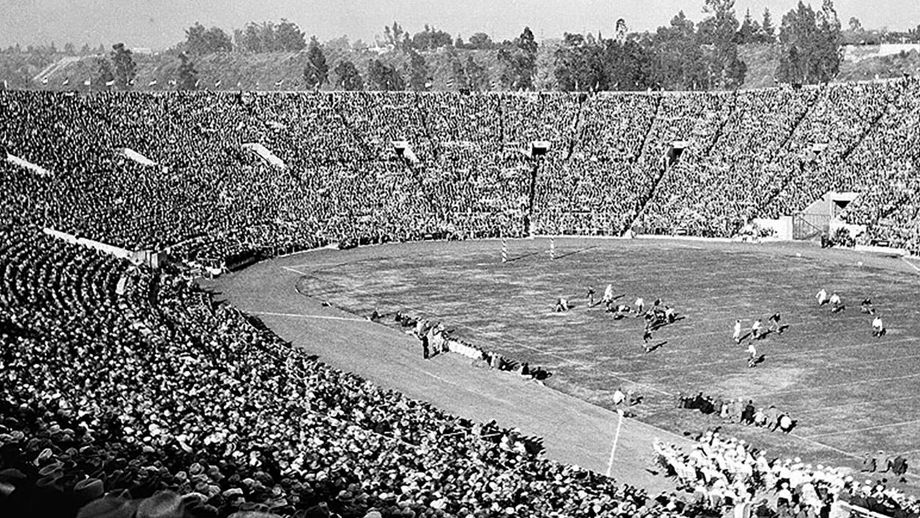
Back in the early part of the 20th century, there was only one Bowl game played at the conclusion of the season. It was The Rose Bowl played in Pasadena, California and was the de facto National Championship game.
Back then, football in the North and West was dominant and considered the pinnacle of the game.
Conversely, football in the South was considered inferior and of poor quality. There was no crossover in games played between teams from the North and the South that we take for granted today.
Author Jay Busbee, a renowned historian of Southern Football wrote,
“There was a time when the nation regarded football in Alabama — in all of the South, really — as unworthy of notice, much less respect. Eastern legacy colleges, monstrous Midwest institutions, growing Pacific coast universities had mastered this new sport of football, the unholy offspring of soccer, rugby and a street fight.
The South? The South was too busy trying to climb out of a post-Civil War hole to focus on anything as frivolous as football. The condescending verdict on the South: like war, industry, race relations and education, football was just one more province where the South fell short.
Then came the 1926 Rose Bowl, and nothing about college football in the South — or anywhere else in the country — would ever be the same again.”
The Rose Bowl game, played since 1902, was contested between the best teams from the North – what we now call the BIG10 and the West – what we used to call The PAC12. Teams such as Harvard, Michigan, Brown, USC, Ohio State, Washington, Stanford and Penn State all contested for those early Rose Bowl games.
However, in 1926, all of that changed.
Huskies by Fiddy
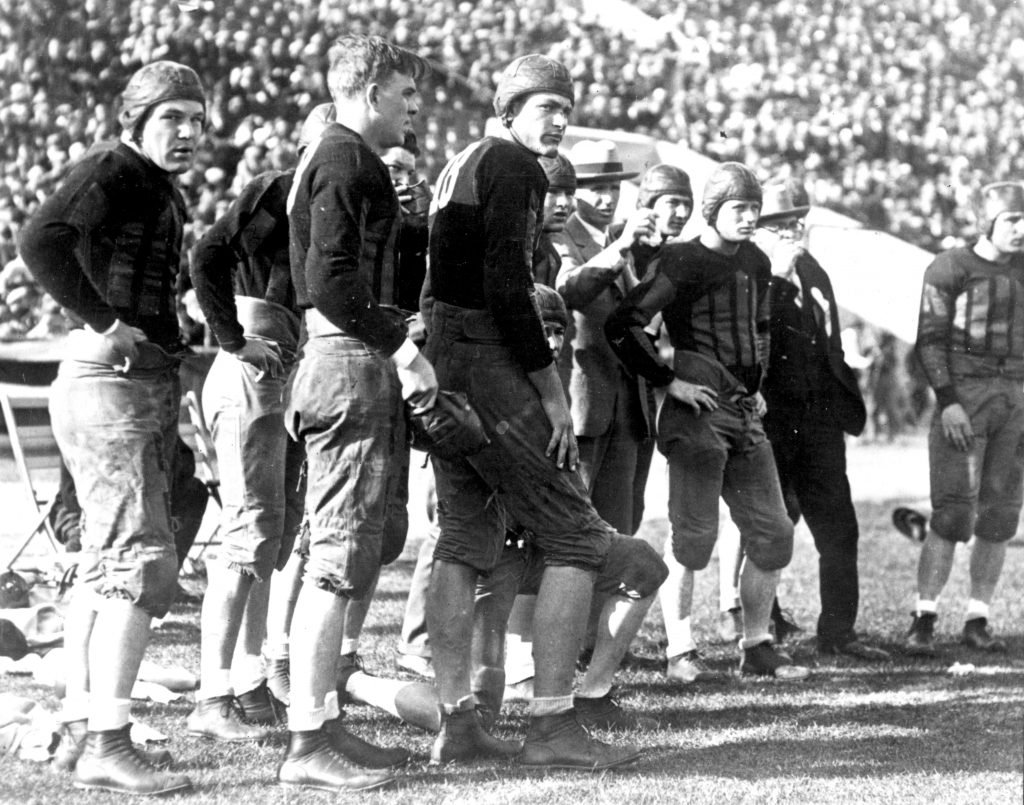
Alabama hired Wallace Wade as head coach of the football team in 1923. By 1926, he led the Tide to a 9-0 regular-season record as a member of the twenty-team Southern Conference.
But why did Alabama get invited to the Rose Bowl?
Four other eastern teams declined the invitation to the Rose Bowl because of concerns about interrupting final exams. Washington from the West had accepted their invite, leaving the Rose Bowl scurrying to find the Huskies an opponent. As it turned out, Wade was a member of the 1915 Brown University team, which played in the 1916 Rose Bowl, and so an invitation was extended to a team from the South for the first time.
Unsurprisingly, Washington was deemed the overwhelming favourite. The “Purple Tornado”, as they were known then, had posted nine straight undefeated seasons from 1908 to 1916.
Some comments from the time summed up the Northern press’s attitude. One sportswriter picked Washington to win by 51 points. Another said the Huskies would “blow the Crimson Tide back across the continent as a pale pink stream.
Tuscaloosa-losers
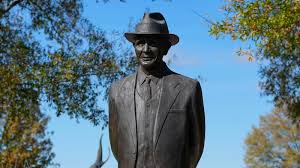
It’s not hyperbole to say that, at that point in US history, the game was built up by some as a chance for revenge after the Civil War. The South was in a state of distress. Bankruptcy, poverty and illiteracy were prevalent, and so there was a disregard for anything or anyone who came out of the South.
Famed cowboy actor, Will Rogers, called Alabama “Tuscaloosa-losers” in what I can only imagine was the 1926 version of college gameday!
“‘Southern football is not recognized or respected,’ Wade said in his pregame speech. ‘Boys, here’s your chance to change that forever.’”
The speech did not seem to help Alabama in the first half. Down 12-0 at the half, predictions of a Huskies blowout seemed accurate.
At halftime, Wade berated his players, ‘And they told me that boys from the South would fight’.
It worked. Alabama scored three touchdowns in less than seven minutes in the third quarter to take a 20-12 lead.
“’The third period will go down as the greatest chapter Alabama has ever written in the Book of Football,’” Birmingham News reporter Zipp Newman wrote after the game. ‘It was as if Southerners had proven something that the South had been trying to prove ever since the Civil War — that we were as good as anybody else.”
The game itself became a classic. Washington, which had only 17 yards in the third quarter, rallied in the fourth when Fullback Wildcat Wilson returned from injury and led an 88-yard touchdown drive that cut the lead to one, at 20-19. Alabama grabbed two interceptions to thwart other Washington drives, and Crimson Tide Captain Johnny Mack Brown ultimately caught and wrestled Wilson to the ground on an apparent breakaway run to ice the victory.
Alabama, a team from the South, had beaten the best from the North.
A heroes welcome
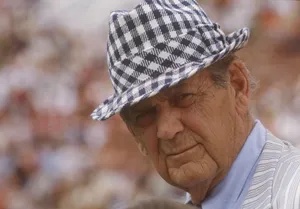
The Tide had turned. The Alabama players who had to return to Alabama from California by train were greeted with a hero’s reception.
The win kick-started a recognition and relevance for football in the South. The 1926 win was the first of three Rose Bowl appearances with the Tide for Wade, who would leave for Duke after beating Washington State in the Rose Bowl after the 1930 season.
An event that changed Alabama football’s fortunes forever happened in 1931. Who knows if a young man from Arkansas named Paul “Bear” Bryant would have accepted a scholarship to play for Alabama in 1931 if the Tide had lost that first Rose Bowl to Washington?
The rest, they say, is history.

GEORGE SOMERVILLE
COLLEGE FOOTBALL WRITER
GEORGE IS A LONG STANDING FANATIC OF LIFE AND FOOTBALL IN THE DEEP SOUTH AND WRITES HIS WEEKLY COLUMN CALLED “IT’S ONLY SEC” FOR THE TOUCHDOWN. HE IS ALSO CO-HOST AND ONE THIRD OF THE COLLEGE CHAPS PODCAST, THE UK’S FIRST PODCAST DEDICATED TO THE COLLEGE GAME.